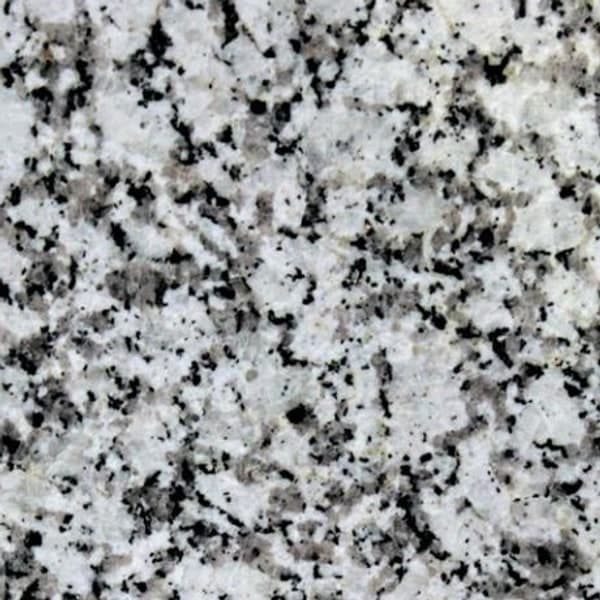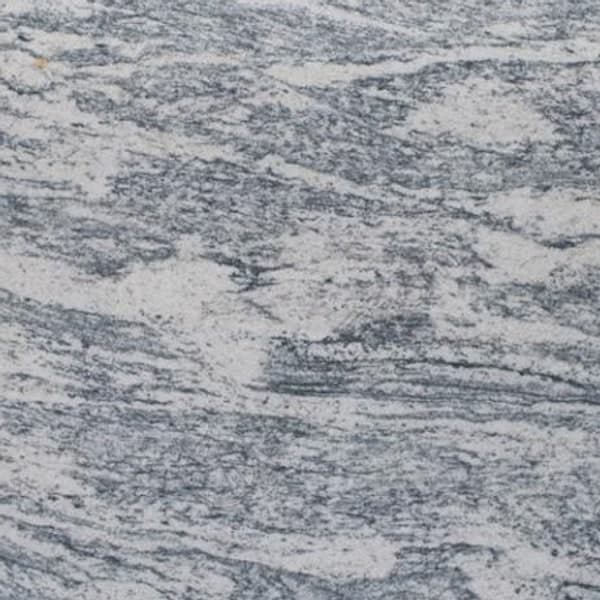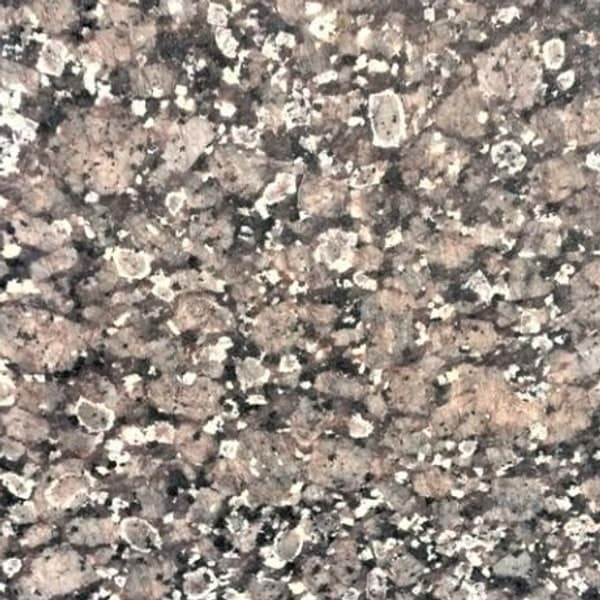
Granite flooring is synonymous with elegance and durability. This natural material is perfect for hallways, living rooms, bathrooms, and commercial spaces, offering a virtually unlimited lifespan.
Advantages of Granite Flooring
Granite is one of the hardest natural materials with exceptional resistance to heavy traffic. A granite floor withstands decades without visible signs of wear, making it ideal for high-traffic spaces.
Granite is impervious to water when properly sealed, making it perfect for bathrooms and kitchens. It is also hypoallergenic and does not retain bacteria on its smooth surface.
Tile Types and Formats
Granite floor tiles come in standard formats of 30x30, 40x40, 60x60, and 60x30 cm. Large formats create a more elegant look with fewer grout lines. Standard thickness is 2 cm for residential use and 3 cm for commercial spaces.
Finishes for Flooring
Polished finish offers a shiny, luxurious look ideal for hallways and living rooms. Honed (matte) finish is safer in wet areas and offers a contemporary look. Flamed finish creates a non-slip surface perfect for outdoor use.
Installation Patterns
Straight layout is the simplest and most economical. Diagonal layout adds visual dynamism to the space. Combining two or more granite colors allows for decorative borders and complex geometric patterns.
Substrate Preparation
The installation surface must be perfectly flat, dry, and solid. Any irregularity will be visible after installation. Use quality adhesive designed for natural stone and leave expansion joints of minimum 5 mm at room edges.
Costs and Planning
The initial investment in granite flooring is higher compared to porcelain tiles, but the long-term cost is lower due to exceptional durability. Calculate the required area adding 10% for cuts and waste.